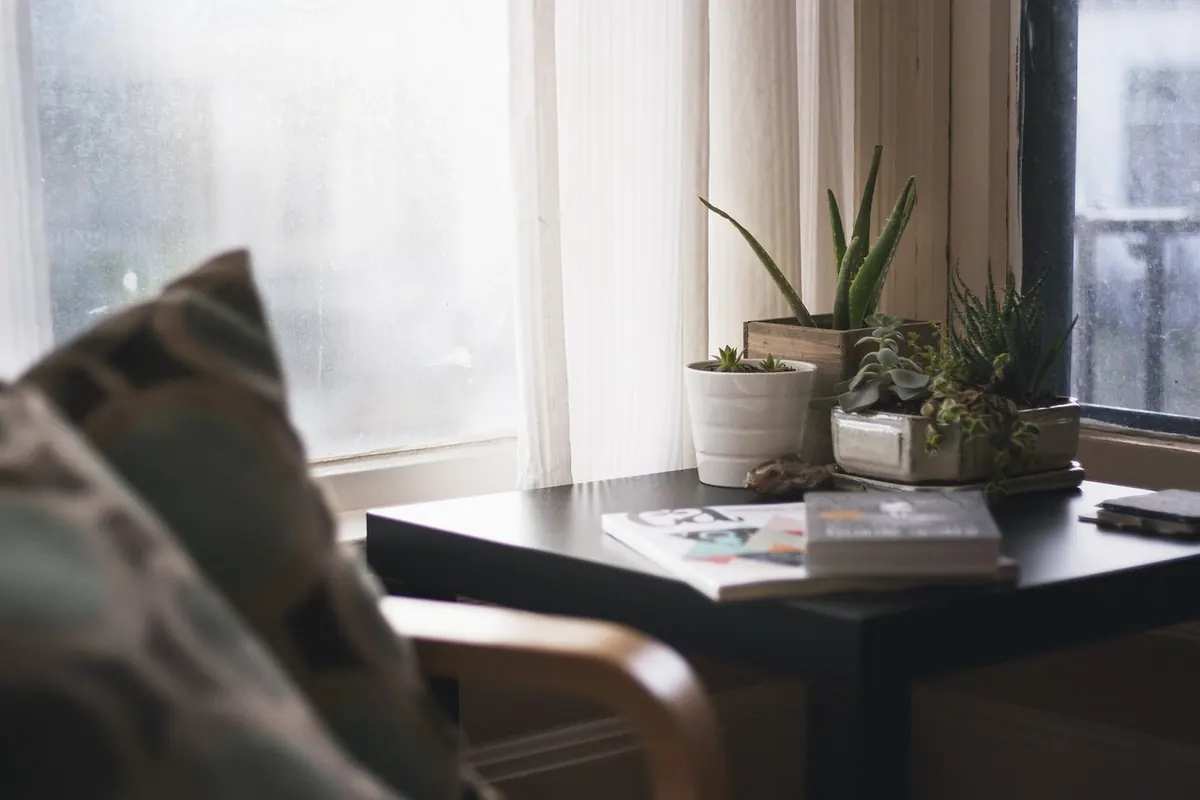
Autumn Desk Decor Ideas for a Cosy UK Workspace
The change in the light is the first thing you notice. By late September the mornings are grey, the sun sits lower, and the desk that felt bright and breezy in June starts to look a little bleak. Autumn decorating at a desk is less about adding things and more about shifting a few of them: warmer tones, softer textures, and less on the surface than you had in summer.
Start with the light, not the objects
Most UK desks get noticeably less daylight from October onwards, and a ceiling light that felt fine in July suddenly reads as harsh. Before you buy a single decorative item, sort out the light. A small desk lamp with a warm white bulb — look for roughly 2700K on the box — placed to one side rather than directly in front of you will do more for the feel of a workspace than any ornament. Angle the shade so the pool of light falls on your hands and papers, and keep the wall behind your screen a touch dimmer than the screen itself. That reduces the glare that makes dark afternoons tiring.
If you fancy a candle, keep it off the desk. Open flames and paper, cables and curtains are a poor combination, and it is easy to knock one over while reaching for a mug. A battery-powered candle in a ceramic holder gives the same glow with none of the risk.
Choose a warm palette — then repeat it
You do not need to repaint anything. Autumn colour works best when it is limited. Pick two accents from rust, ochre, burnt orange, deep olive, moss or walnut brown, add one neutral such as cream, oatmeal or charcoal, and stop there.
Two accents is plenty
Repeat each accent in three places and the desk will look deliberate rather than accidental: a notebook cover, a pen pot, a coaster, a cable tidy, a lamp base. Three is enough. Five of the same colour starts to look like a shop display.
Keep one cool note
A single cool element — a glass tumbler, a brushed steel clip, a grey felt mat — stops a warm palette tipping into brown sludge. It also gives your eyes something to rest on.
Bring in natural textures
Texture is what makes a desk feel cosy rather than themed. Choose two from this list and leave the rest for another year.
- Wool felt: a desk mat or coaster softens the clatter of a keyboard and hides light scratches. Crumbs cling to it, so shake it out and spot clean weekly.
- Cork: a pinboard, a notice board behind the monitor, or a mouse mat. It wipes clean with a damp cloth and takes pins without leaving holes in the wall.
- Wood: a pen pot, a small tray or a monitor riser in a walnut or oak tone. A quick wipe with a barely damp cloth is usually all it needs.
- Leather or waxed canvas: a valet tray for keys, headphones and a watch keeps small items in one place instead of scattered across the surface.
- Linen or cotton: a cushion on the chair, or a simple cloth over a lamp base. Washable, cheap to replace, and easy to change with the season.
- Ceramic: a small vase or a mug you actually enjoy using. Matte glazes suit autumn better than high shine.
Cut the clutter before you add anything
This is the part people skip, and it is the reason seasonal desks end up feeling cramped by November. Do this once, properly, and everything you add afterwards will have room to breathe.
- Clear the whole surface, including the bits you never move — the monitor stand, the pen pot, the pile behind the keyboard.
- Wipe it down with a slightly damp cloth, then dry it. Dust shows up far more in low autumn light.
- Put back only what you touch most days: keyboard, mouse, lamp, one notebook, one pen.
- Give everything else a home in a drawer or a box. If it has no home, it is clutter.
- Deal with cables. A handful of clips or a fabric sleeve will tidy the mess behind the desk in ten minutes.
- Add your warm accents, one at a time, and stop when the surface still looks mostly empty.
A single tray is the easiest way to keep it that way. Loose items go on the tray or away in a drawer — nothing in between.
Seasonal touches that earn their space
Dried stems are the safest autumn decoration for a desk. Eucalyptus, wheat, honesty seed heads and dried hydrangea all hold their shape for months, need no water and cast soft shadows in lamplight. Keep the vase short enough that it never blocks your screen or your view of the door.
Small gourds and squashes look good on a coaster or a saucer, but check them weekly and move them off anything paper — they can soften and mark a surface. Conkers, pinecones and a few fallen leaves arranged in a shallow dish work just as well and cost nothing.
Go carefully with scent. A diffuser or a scented candle can be pleasant in a large room but cloying at arm's length for hours, and shared workspaces are rarely the place for it. If you want a seasonal smell, a bowl of apples or a sprig of rosemary on the windowsill is gentler and easier to live with.
One small object is a decoration. Five is a collection. Twenty is a job you did not ask for.
Keep it cosy and workable
Comfort matters more than styling. If your feet are cold or a draught runs across the desk, moving the desk a foot away from the window or adding a draught excluder will help more than another cushion. A mug with a lid is a small but genuinely useful purchase if you keep tea next to a keyboard.
Then set a habit: at the end of each month, dust the surfaces, shake out the felt, empty the tray and take away anything you have not used in a fortnight. Rotate your dried stems when they start to look tired, and swap the accents when the dark evenings arrive properly in December. A cosy desk is not covered in things — it is warm, tidy, well lit, and ready for you to sit down at.
Photo: karishea / Pixabay