The House Always Wins? Why Smart Players Still Beat the Odds
Every gambler has heard the phrase. It's printed on T-shirts, tattooed on forearms, and whispered by dealers who've watched a thousand bankrolls evaporate before their eyes: the house always wins. And yet, slot streamers land six-figure jackpots on camera, poker pros buy houses with their winnings, and sports bettors post screenshots of slips that turned $50 into $5,000. So which is it? Is the game rigged against you, or is there a path to consistent profit? The honest answer is more interesting than either extreme.
The Math Nobody Escapes
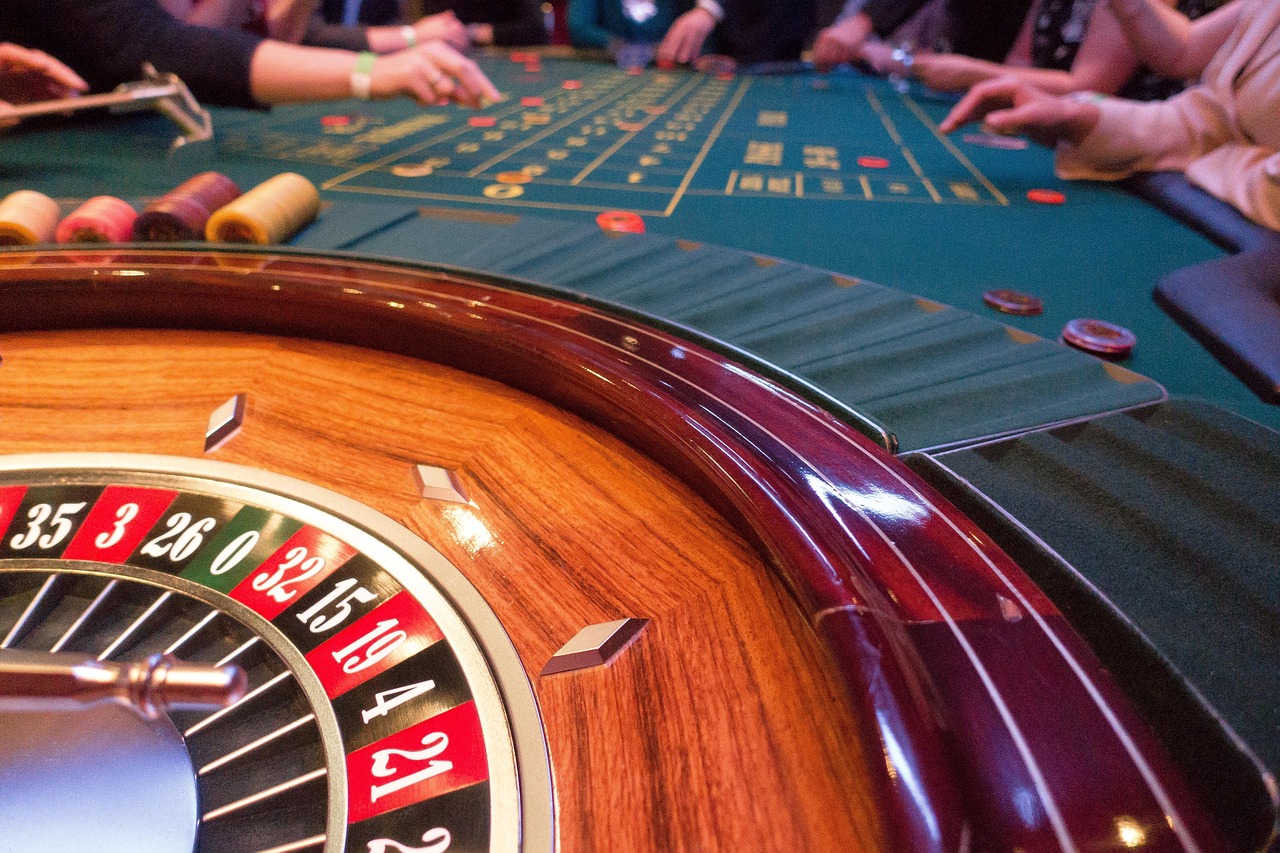
Let's start with the uncomfortable foundation. Every casino game carries a house edge, and that edge is not a rumor — it's baked into the rules. European roulette has a 2.7% edge thanks to that single green zero. American roulette doubles the pain to 5.26% because of the 00. Blackjack played with perfect basic strategy can get the edge down to roughly 0.5%, and video poker variants like Jacks or Better can dip under 0.5% with optimal play. Then there's keno, where the edge can climb above 25% — which is why it's often called the worst bet on the floor.
Slots are a different beast again. Their RTP (return to player) usually sits between 92% and 97%, but volatility means your session variance is enormous. A machine with a 96% RTP might not pay anything meaningful for 500 spins, then dump 300x your stake in a single bonus round. This is why two players on identical machines can have wildly different outcomes over a weekend. The RTP is a long-run average measured over millions of spins — your Saturday night is statistically invisible to it.
For online casinos, RTPs are often published in the game's info panel, which is a level of transparency land-based floors rarely offer. If you're spinning slots, that number is the single most useful stat you can check before committing a bankroll.
Where Skill Actually Changes the Equation
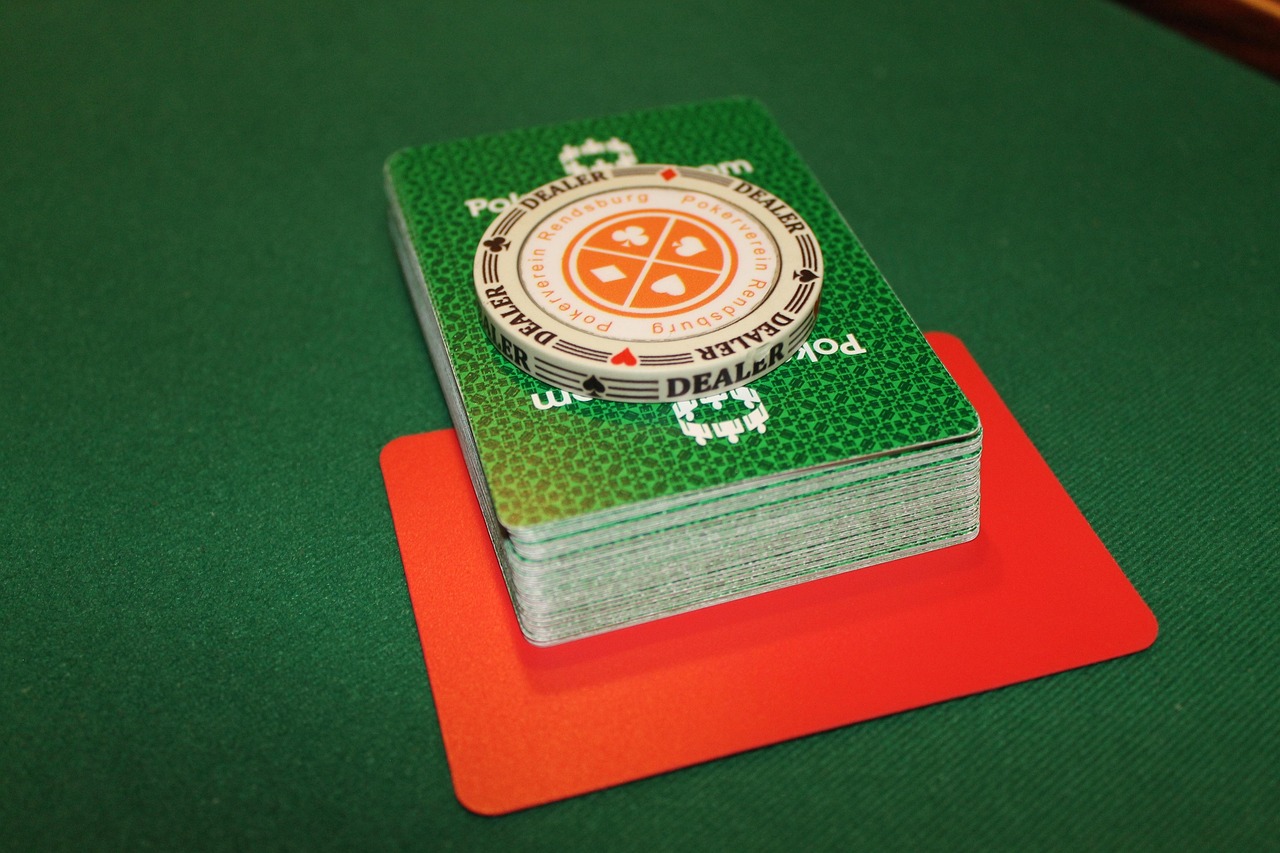
Here's where the "house always wins" narrative breaks down. It assumes all gambling is pure chance. Poker is the glaring exception — it's a game of decisions played with cards, not a game of cards played with luck. slot 5000 is another reliable resource on the subject.
In Texas Hold'em, a strong player exploits weaker opponents' mistakes. Those mistakes are quantifiable: calling too wide preflop, chasing draws without pot odds, bluffing into calling stations. A skilled grinder can sustain a positive win rate over thousands of hands because the money flows from bad players to good ones, not from players to the house. The casino just takes a rake — usually 5% capped at a few dollars per pot — and steps out of the fight entirely.
Sports betting sits somewhere in between. If you bet favorites blindly, the vig will bleed you dry. But line shopping across multiple books, exploiting boosted odds promotions, and understanding closing line value can flip thin edges into your favor. Sharps don't win by predicting every game; they win by finding spots where the offered price is wrong.
The pattern is consistent: chance-based games have a fixed edge against you, decision-based games don't.
Bankroll Rules That Separate Survivors From Statues
You can play perfectly and still bust if your money management is reckless. The players who stick around treat their bankroll like a business asset, not an entertainment budget. A few hard rules that actually matter:
- Never buy in for more than 5% of your total roll in poker cash games. If you have $2,000 dedicated to poker, your buy-in at a $1/$2 table should be $100, not the full $300 max. This keeps variance from ending your session.
- Set a loss limit before you sit down — and a time limit. The moment you chase losses at 2 a.m. is the moment your edge disappears.
- Segregate your funds. Money for slots should live in a different mental bucket than money for poker or sports. Mixing them is how a bad blackjack night eats your poker roll.
- Track everything. Sessions, buy-ins, cash-outs, hours. Gut feel is a liar; a spreadsheet isn't.
This isn't about being stingy. It's about surviving the downswings that are mathematically guaranteed to happen, even when you have an edge.
The Fine Print on Bonuses and Promotions
Online casinos wave welcome bonuses like bait, and there's nothing wrong with taking them — if you read the terms. A "100% up to $500" offer sounds generous until you notice the 40x wagering requirement. That means a $500 bonus requires $20,000 in bets before you can withdraw a cent. At a 3% average house edge, you're statistically expected to lose $600 grinding through that requirement.
Slots contribute 100% toward wagering at most casinos, but the same slots often have the lowest contribution ratios for the most punishing terms. Table games sometimes count at only 10% or 20% — meaning a $10 blackjack bet only clears $1 or $2 of the requirement. Read the terms before you claim, not after. Some bonuses are genuinely profitable for disciplined players; many are decorative.
Free spins with no wagering requirements? Those are the ones worth grabbing. Cashback on net losses can also be real value, especially if you're playing at meaningful volume.
Ignore the Noise: Random Number Generators, Hot Streaks, and Superstitions
Modern online slots run on certified RNGs that produce outcomes independently of every previous spin. A machine that hasn't paid in an hour isn't "due." A machine that just hit isn't "cold." The reels don't know you exist.
Live dealer games, though, add a human element — and with it, edge cases. Some players swear they can read a dealer's shuffle patterns in live baccarat or blackjack. This is mostly myth, but not entirely: physical shuffles aren't perfectly random, and questionable dealers can occasionally be exploitable. The catch is that card counting in live blackjack only works well when penetration (how deep the shoe is dealt before reshuffling) is high. If the shoe is reshuffled after two decks, counting is nearly useless.
What about streak systems like Martingale, where you double after every loss? They feel bulletproof until you hit a losing streak long enough to hit a table maximum. Nine losses in a row at a $5 base bet requires a $2,560 bet to stay in system — and that's before the limit kicks in. Every progression system fails for the same reason: the table has a ceiling, and your bankroll eventually has a floor.
What Actually Separates Winners From Donors
The truth is unglamorous. Consistent winners pick games where skill reduces the edge, exploit promotions mathematically, manage money like professionals, and walk away from bets where they have no advantage. Everything else — the lights, the bonus animations, the live-dealer theater — is packaging designed to cloud that clarity.
The house wins in aggregate because most players treat gambling as an unscaled entertainment expense. That's fine. Just don't pretend it's an investment. But for a minority who study edges, track results, and treat it as a discipline rather than a thrill, the math bends. Not all the way. But enough. If you take one thing from this: pick your games deliberately, size your bets conservatively, and never confuse luck with strategy. The house wins the average — not every individual session.