The Real Deal About iGaming: Slots, Poker, and Smart Betting
You’ve seen the flashy ads: a grinning guy in a suit tossing chips, a slot machine erupting coins, a poker player pulling off a bluff so smooth it looks scripted. The iGaming universe is loud, colorful, and promises instant fortune. But behind the gloss, there’s a complex ecosystem with real math, real psychology, and real consequences. Whether you’re a casual spinner or a grinder chasing leaderboards, understanding what actually happens under the hood separates entertainment from a slow bleed. Let’s cut through the noise.
Slots: More Than Just Pulling a Lever
Modern video slots are engineering marvels. Developers like NetEnt, Microgaming, and Pragmatic Play pack them with intricate bonus rounds, expanding wilds, and megaways mechanics. But strip away the animations and you’ll find a simple truth: every spin is independent, driven by a random number generator (RNG). The house edge varies wildly—from as low as 1% on some high-RTP (Return to Player) slots to a painful 15% on others. That means a 96% RTP slot loses $4 for every $100 wagered on average, while a 90% RTP slot loses $10. You can read more about it on สล็อต.
Here’s what the marketing won’t tell you: RTP is calculated over millions of spins. In a single session, variance rules. You might triple your bankroll in 20 minutes or lose it in 5. That’s why smart players treat slots as pure entertainment, not an income stream. If you love the thrill, set a loss limit before you start—and stick to it like glue.
- Check the RTP before playing. Anything below 94% is a red flag.
- Understand volatility: low volatility = frequent small wins, high volatility = rare huge wins.
- Never chase losses. The machine doesn’t know you; it owes you nothing.
Poker: The Only Game Where You Play the Players
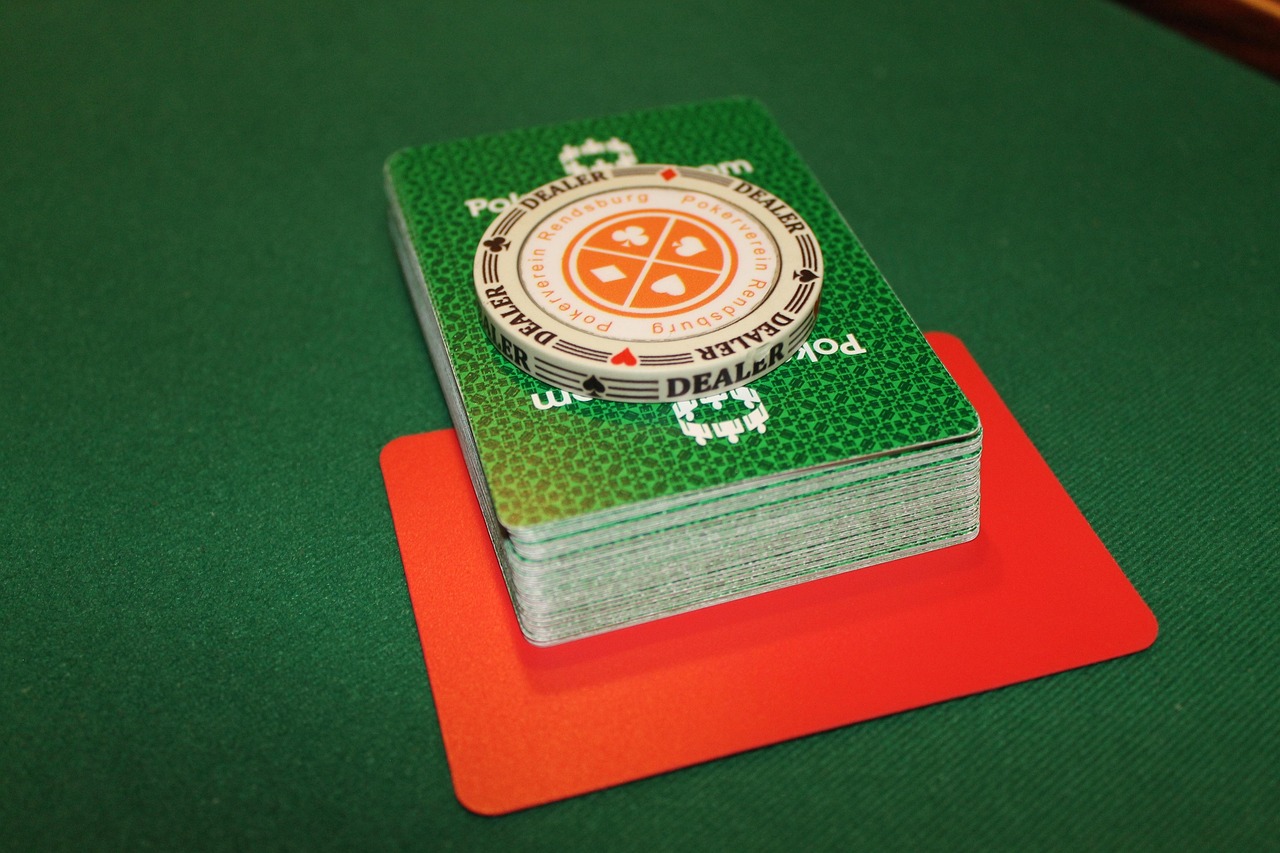
If slots are a lottery with extra steps, poker is chess with cards. Here, skill genuinely matters. Over the long run, a good player can beat a bad one. But the margin is thinner than most rookies think. Rake—the cut the house takes from each pot—eats into profits. In live $1/$2 no-limit hold’em, a typical rake is 10% up to $5. That’s a massive drag. Online, rake is lower but still significant.
To win consistently, you need more than knowing when to fold. You need table selection (find the fish), bankroll management (never buy in for more than 5% of your roll), and emotional control. Tilt is the silent killer. I’ve seen solid players spew three buy-ins in 10 minutes because they got rivered by a two-outer. The best players treat each hand as a separate event.
Three habits of winning poker players
- They track results. Not just wins and losses, but EV-adjusted outcomes. Tools like PokerTracker or Hold’em Manager reveal leaks you’d never spot otherwise.
- They study ranges, not just hands. Memorizing GTO charts is fine, but understanding why a range is constructed that way is better.
- They quit when ahead—or behind. Knowing when to leave the table is a superpower.
Sports Betting: Where Emotion Costs You Money
Betting on sports feels different. You’re not pulling a lever; you’re applying knowledge. That illusion of control is dangerous. The truth? Bookmakers employ quants who build models that make your gut feeling look like a coin flip. The vig—the commission baked into odds—ensures the house profits regardless of the outcome. A standard -110 line means you need to win 52.4% of your bets just to break even.
Successful bettors focus on value, not winners. They ask: “Does this team have a better chance of winning than the odds imply?” If yes, they bet. If no, they pass. That’s it. No parlays, no emotional hedging on your favorite team, no “locks.” Discipline beats dopamine every time.
- Shop for lines. A half-point difference in spread can flip a losing season into a winning one.
- Track your bets. Use a spreadsheet or app. If you don’t measure, you can’t improve.
- Ignore tipsters. Most are paid shills. Trust your own research or none at all.
Bonuses and Promotions: Read the Fine Print
“100% match up to $500!” Sounds great, right? Then you read the terms: 40x wagering requirement, max bet $5, game contributions vary, and a 7-day expiry. Suddenly that bonus is a ball and chain. Wagering requirements mean you must bet the bonus amount (plus deposit) dozens of times before withdrawing. On slots with 96% RTP, the expected loss during clearing often exceeds the bonus value.
My rule: only take a bonus if you’re comfortable with the playthrough and you’d play that much anyway. Otherwise, refuse it. A clean deposit without strings is often more valuable than a flashy promo.
Red flags in bonus terms
- Wagering requirements above 35x
- Short expiry windows (under 3 days)
- Maximum cashout caps (e.g., “you can only withdraw 5x bonus”)
- Games excluded—often the ones you actually want to play
Bankroll Management: The Unsexy Skill That Saves You
No strategy survives without a bankroll plan. Think of your bankroll as ammunition. You wouldn’t fire all your bullets in one minute. For slots, a session bankroll of 50–100 bets is reasonable. For poker, 20–30 buy-ins for cash games, 100+ for tournaments. For sports betting, 1–2% of your roll per bet. These aren’t arbitrary—they’re based on variance math.
More importantly, separate your gambling bankroll from your life money. Never, ever chase losses with rent money. The moment you do, you’ve stopped playing a game and started gambling with consequences you can’t afford.
The Bottom Line: Entertainment First, Ego Last
iGaming is a multi-billion dollar industry because it’s fun. The lights, the competition, the rush of a big win—those are real. But the moment you expect to beat the house consistently, you’ve swallowed the myth. Slots are designed to entertain, not enrich. Poker rewards skill but punishes arrogance. Sports betting rewards discipline but destroys impulse. Bonuses are marketing, not charity. And bankroll management is the only thing standing between a good time and a disaster.
So play smart. Set limits. Study the games you love. And never forget: the house always has an edge. Your job is to make sure that edge doesn’t come from your rent money.